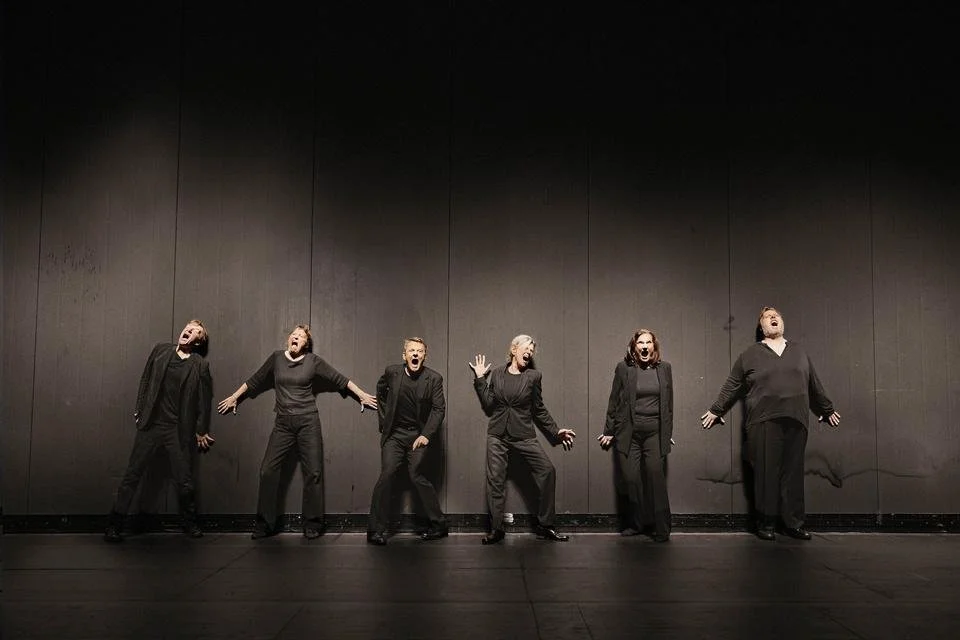
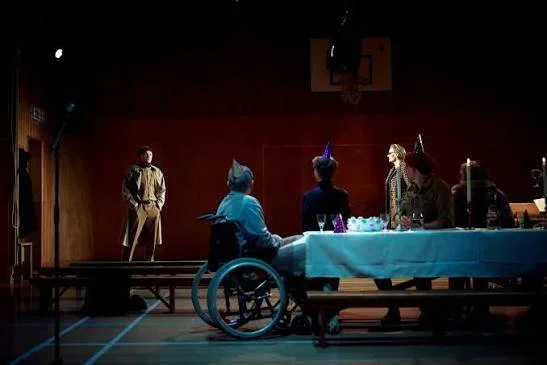
Mikukvøldið frumframførdi Tjóðpallur Føroya leikin Tríggjar systrar eftir Anton Tjekhov. Tað er fyrstu ferð hesin kendi klassikarin er framførdur í Føroyum, men tey, sum sambinda Tjekhov við gamaldags, siðbundnan sjónleik, hava annað í væntu. Staðsetingin bendir longu á okkurt óvanligt, tí tað er sermerkt at fara til sjónleik í fimleikarhøllini í gamla studentaskúlanum í Hoydølum. - Nú munnu sjálvt teir allarfegnastu optimistarnir hava ásannað, at flotti, fagnaði og glæsiligi framtíðarbygningurin til Tjóðpall Føroya er ein politisk hvørvisjón, skapt av heitari luft. Tað er óluksáligt og óskiljandi, at vit eftir øllum at døma ikki halda meira um okkum sjálvi sum fólk, men fyribils er tað í hvussu er gleðiligt at frætta at farið er undir at umvæla meiaríið í Tórsgøtu. Tað snýr seg jú um at liva her og nú meðan vit enn eru til. Og júst tað duga tær illa, tær tríggjar systrarnar, Olga, Masha og Irina Prozorov, sum kenna seg uppsteðgaðar í lítlu bygdini har tær búgva. Tær fabulera um eina glæsiliga fortíð, tá foreldrini livdu og Prozorovfamiljan búði mitt í heimsins nalva í Moskva. Teimum leingist inniliga eftir einari aðrari og betri tilveru. Sjálvt um leikmyndin er minimal og leikurin harvið týðiliga gongur fyri seg í einari slitnari, gamlari fimleikarhøll, benda fínu klæðini hjá systrunum á, at tær eru partar av yvirstættini, aristokratínum, ið hava búð í einum valahúsum í høvuðsstaðnum við stórfingnum veitslum og borðhaldum. Nútíðin er øðrvísi óglæsilig og hørð og tí er neyðugt at arbeiða, boyggja høvur og yvirliva í teirri støðu, sum lagnan hevur lagað teimum til. Tað er ein áhugaverd dupult kensla at sita í einum høli, sum er ein fyrrverandi fimleikarhøll, har klokkan hevur verið kvart yvir tíggju í mong harrans ár, og uppliva ein leik um nøkur menniskju, sum standa still og als ikki koma úr stað. Tey tosa nógv um tíð í leikinum og duga illa at vera í núinum - tykjast eisini tilvitað um, at tey eru fortíð. Fortíðini fært tú varhugan av longu tá tú koyrir oman í dalin fagra og kenslan heldur fram, tá tú trínur inn í eina fimleikarhøll á sama gólv, sum tú sjálv einaferð ikki orkaði at renna á og ein fyrrverandi rektari tekur ímóti.
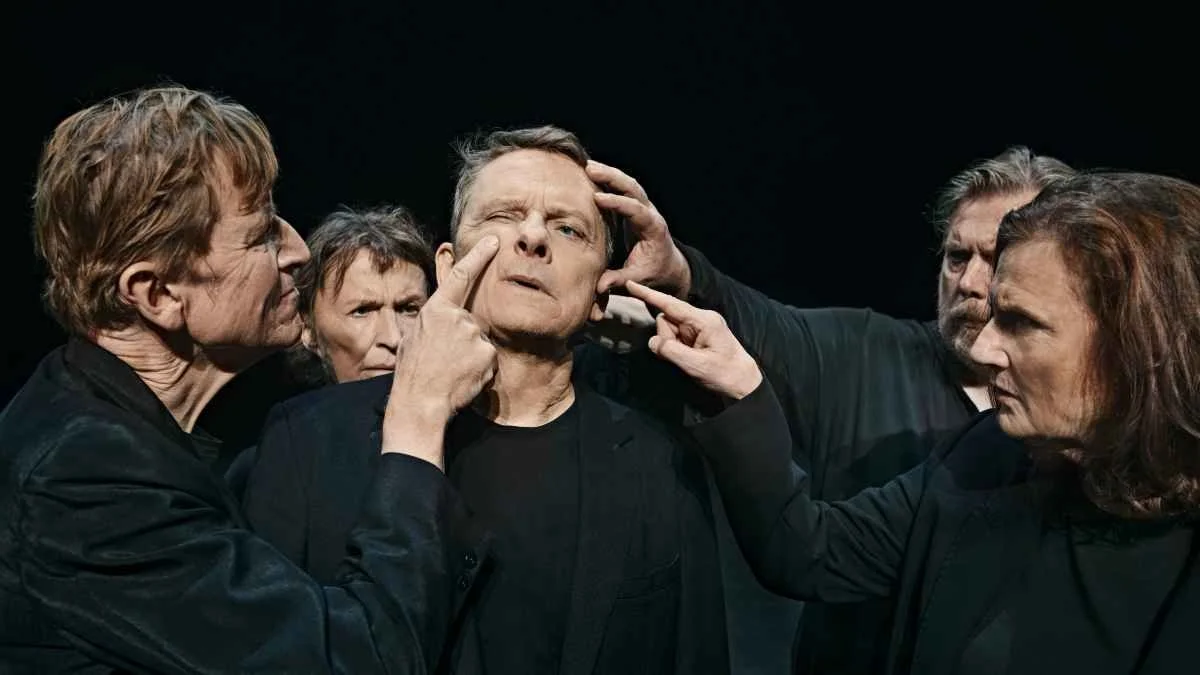
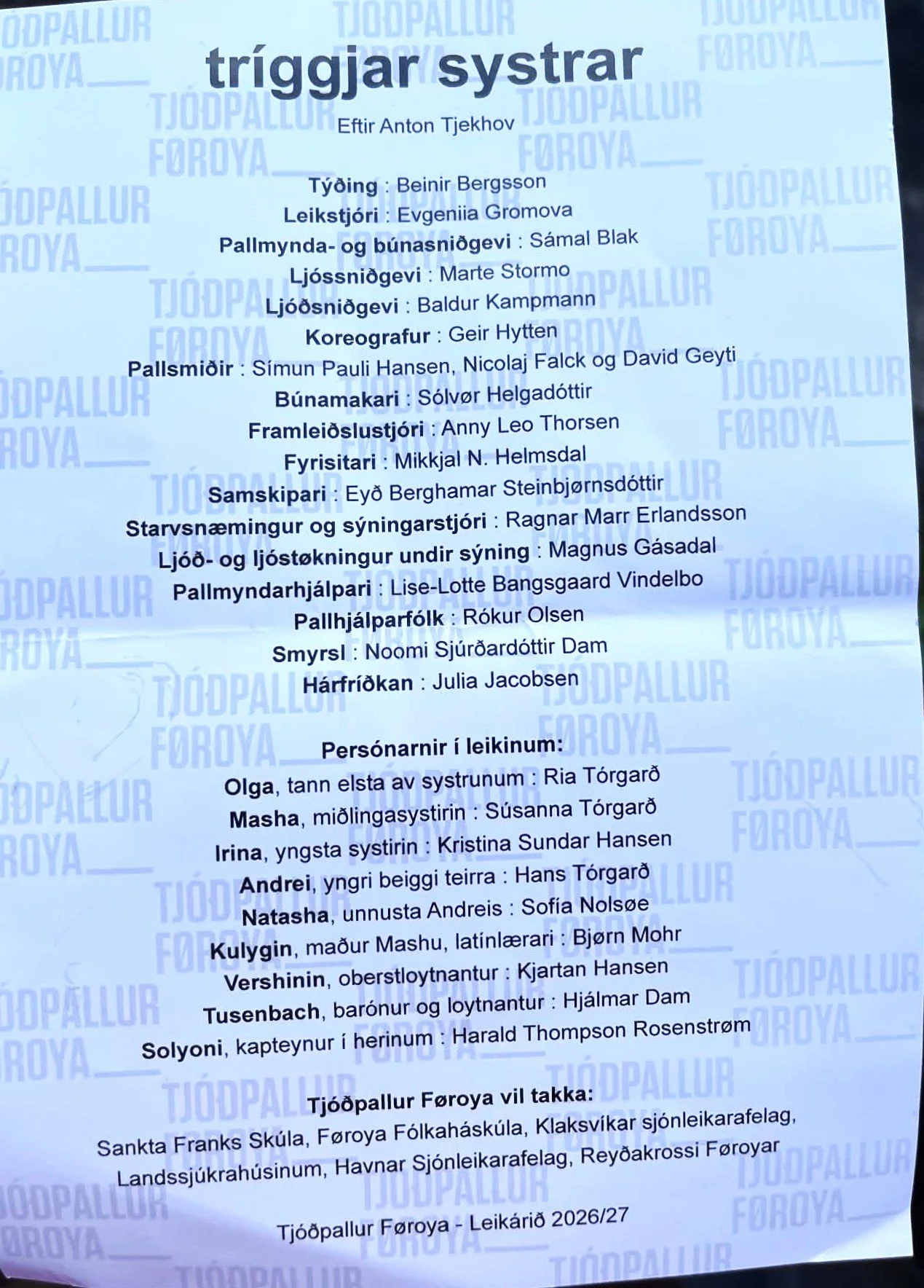
Tey, sum sóu Kirsuberjagarðin á Tjóðpallinum í 2010 vita av, at Tjekhov hevur nógvar persónar í sínum leikum og lýsir eitt kollektiv, hvørs samrøður og interaktión bera søguna fram. Tær tríggjar, sum leika systrarnar, spæla sera væl eisini saman og interagera í mun til hvørja aðra soleiðis sum veruligar systrar gera. Tað er sera stuttligt mangan. Tríggjar systrar er yvirhøvur nógv skemtiligari enn eg hevði væntað, eg var fleiri ferð um at skrædna eitt nú tá passioneraða miðlingasysturin, Masha - væl leikt av Súsonnu Tórgarð í femme fatale style - noktar at sleppa sínum elskaða Vershinin og heldur so fast í honum, at hon endar við at verða drigin aftan á honum eftir gólvinum sum ein gólvmátta. Tá vildi eg so illa flenna, at eg táraði samstundis sum eg royndi at halda mær, eitt sindur forskammað – sum tá mann av óvart kemur til at flenna til eina jarðarferð. Tí, hvar bleiv empatiin av; er tað ikki synd í einari ólukkuligari kvinnu, tá hon niðrar seg soleiðis? Lagnurnar eru í roynd og veru tragiskar allar, tí eingin eydnast, men kortini verða tær lýstar sum var talan um eina komediu ella farsu við skemtiligum turbo. Hvussu kann tað annað enn vera stuttligt við leikarum sum Súsonnu Tórgarð, Riu Tórgarð og Kristinu Sundar Hansen í systraleiklutunum. Leikurin er sum heild sera væl spældur í einum framúr liðavriki hjá leikarahópinum, sum umframt tær nevndu er myndaður av: Hans Tórgarð, Sofíu Nolsøe Mikkelsen, Kjartan Hansen, Bjørn Mohr, Hjálmari Dam og Harald Thompson Rosenstrøm.
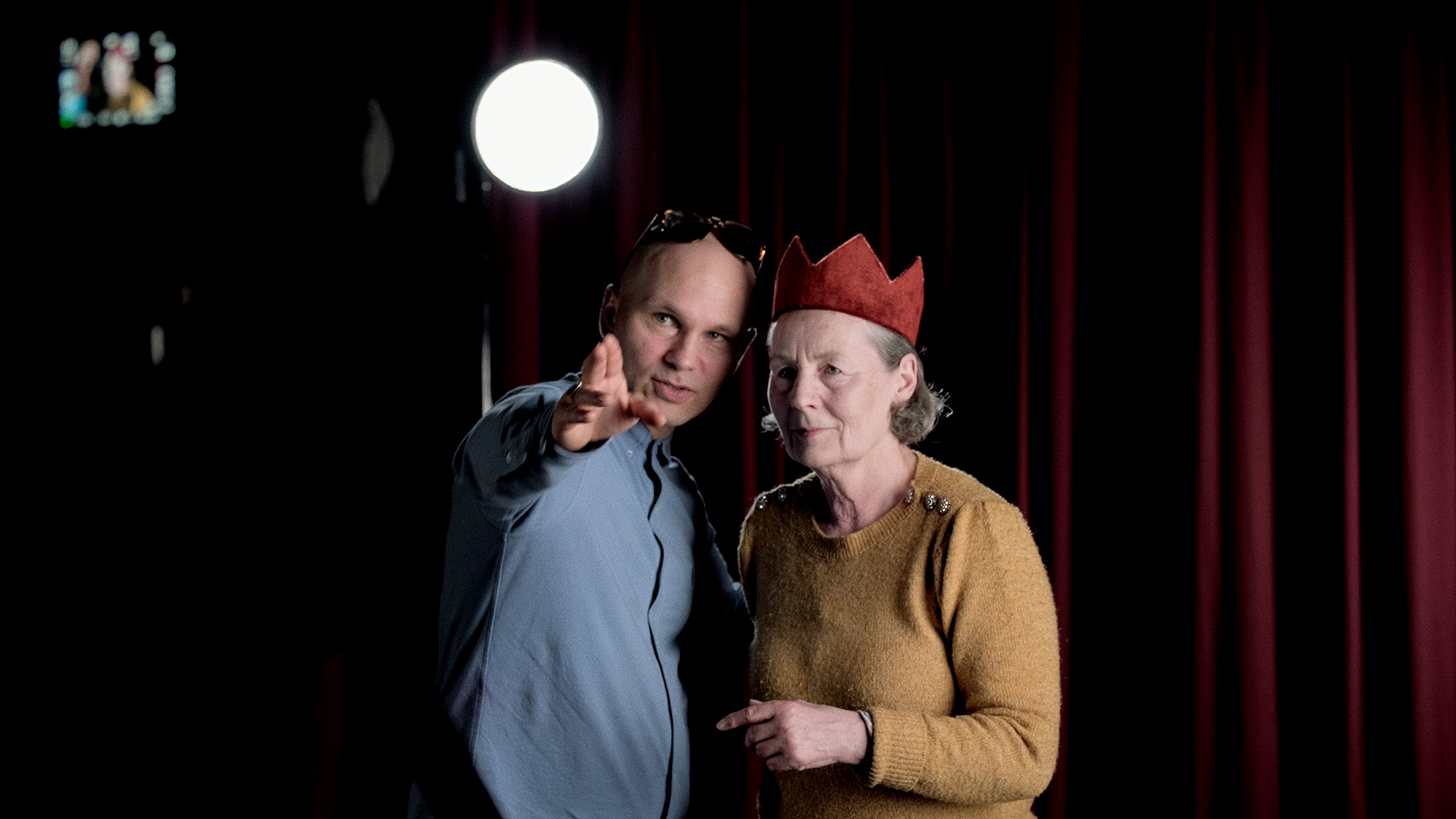
Evgeniia Gromova leikstjórnaði leikin og Sámal Blak gjørdi minimalu men merkisverdu og týðandi pallmyndina. Í leikinum eru frá byrjan nógv vápn, ið minna um dramaturgisku meginreglu Tjekhovs um, at allir lutir skulu brúkast. Vit síggja tó ikki vápnini verða brúkt beinleiðis. Tey eru har kanska sum ein symbolsk ábending um komandi harðskap og minna eisini á herleguna, sum er har í býnum. Tríggjar systrar er á ein hátt eitt typiskt listaverk á tremur av dreymum og vónum, men har tað í grundini ikki hendir tað stóra – altso við tilveruni hjá persónunum. Í leikinum hendir ein rúgva og tað gongur ógvuliga skjótt fyri seg – serliga í byrjanini er tað nokk so ringt at fáa alt við, sum fólkini siga. Solyoni, kapteynur í herinum verður leiktur av tí fima Harald Thompson Rosenstrøm, sum ger sín persón tvíbýttan við snjallari rødd, ið ikki altíð er lættur at skilja.
Men byrjanin er yvirhøvur ófrættakend og tað var hon heilt frá teirri løtu, at undirritaða mikukvøldið trein inn um dyrnar á gamla studentaskúlanum. Tí beint við hurðina stóð ein ung kvinna við einum pappskelti, ið heitti á okkum um ikki at lata russiska mentan fáa okkum at gloyma russisk brotsverk. Eg bleiv eitt sindur kløkk av hesum og spurdi tí onkran um hendan kvinnan var partur av leikuppsetingini – (estetiskt riggaðu hennara speglsólbrillur onkursvegna til neonljósini inni í gamla skiftirúminum, sum verður brúkt sum foyer). Men kvinnan hevði einki við leikin at gera. Í hesum tíðum er tað góður stílur hjá fyrireikarunum at loyva einum tílíkum mótmæli eins og tey seta orð á kríggið, sum byrjaði fyri fimm árum síðani, tá Russland leyp á Ukraina. Tað gjørdi fyrisitingarligi samskiparin í Tjóðpalli Føroya, Mikkjal Helmsdal, tá hann bjóðaði okkum at vera vælkomin og greiddi frá fyrivarnum og grundgav fyri avgerðini um at framføra Tjekhov.
Søgan byrjar á ársdegnum fyri deyða pápa systrarnar, sum búleikast saman við bróðrinum Andrej. Irina er tann yngsta, hon er full av vón, ja fær næstan ikki verið til fyri longsli og dugir yvirhøvur ikki at síggja fram um sína egnu nøs og hómar tí heldur ikki tað góða lívið. Elsta systurin Olga (Ria Tórgarð) hevur konstanta høvuðpínu av sínum lærarastarvi, sum hon heldur vera sera strævið. Heldur ikki miðlingasysturin, Masha kann sigast at vera eydnurík í ólukkuliga hjúnarlagnum við Kuligin, sum hon ikki er góð við. Hann er studentaskúlalærari og ein ómetaliga keðiligur maður, ið er so markleyst sjálvglaður, at hann als ikki dugir at síggja hvussu illa kona hansara trívist, men tvørtímóti heldur hana elska seg sum hann elskar hana. Bjørn Mohr spælir leiklutin so stuttliga sannførandi, at fólk flenna í kíki eitt nú tá hann syngur hittsangin hjá Jensinu Olsen, Góða Bamsa, sum er broyttur til “Góða Masha, góða Mashaaaa...”. Men tað er eftir mínum tykki óneyðugt og skeivt at seta láturliga karakterin í koyristól og geva honum talubrek.
Sum eitt frískligt fleyr trínur herovastin, tann lendafatti og orðkringi Vershinin á pall – vakurt leiktur av Kjartani Hansen, so at systrarnar eru um at smelta. Hann ikki bara kennir teirra høgt elskaða pápa, men er eisini sjeikaligur og so er hann úr lovaða landinum; Moskva. Vershinin er ein áhugaverdur karakterur, sum sigur nógv klókt og ger nógv skítbýtt m.a. at fjasast við Mashu, sjálvt um tey bæði eru gift frammanundan. Tusenbach loytnantur droymir um eina framtíð saman við Irinu, men brúkar eisini nógva orku uppá vinmannin Solyoni, sum skal vísa seg at vera meira enn bara troyttandi – hann er eisini vandamikil og øvundsjúkur tí hann eisini er forelskaður í Irinu. Okkurt við tí sera fysiska sambandinum millum vinmennirnar ger, at mann heldur Solyoni í veruleikanum vera forelskaðan í Tusenbach, men tað er ikki vist. Í øllum førum kemur umbroytingin frá fjákuta til fatala leiklutin hjá Soloyoni dáttliga við hjá áskoðaranum, mann hevði ikki væntað tað. Kanska er skiftið eyka ógvusligt av tí at leikurin er munandi styttur. Hann varar hálvanannan tíma og gongur fyri seg í einari samanhangandi akt har sjónleikararnir eru nógv til staðar á pallinum og har leikstjórin saman við scenografinum hevur funnið uppá ráð til tess at skipa leikin í pørtum á ein hátt, ið veruliga rørir áskoðaran!
Hjálmar Dam spælir Tusenbach so dámliga, at tú heldur við honum og inniliga hevði ynskt, at hansara dreymir gingu út. Í teirri einu senuni har Tusenbach og Irina sita og práta aftast í rúminum, verður hetta filmað og víst uppá bakveggin. Tað er sera vakurt og við fleiri dýpdum. Bróður systrarnar, Andrej hevur akademiskar ambitiónir, men er veikur og hevur ikki tað, sum skal til og sjálvt um Hans Tórgarð ikki er tað minsta framfarin, inkorporerar hann allan tann flosnaða og óflýggjaliga karakterin, so at mann trýr uppá hann og hevði ynskt, at hesin karakterur var størri. Tað sama má mann siga um damuna hjá honum, ta eiggiligu og framfýsnu Natashu, ið tykist eiga viljastyrkina og frekleikan hjá eini rísandi undirstætt, herliga kitschut og kroppsliga vulgert – sum tað er einastandandi gott at síggja Sofíu Nolsøe á palli aftur.
Tríggjar systrar er ein klassiskur leikur, men tað kann mann ikki siga um modernaðu uppsetingina, minimalu scenografiina og teir absurdu undir og yvirtónarnar. Onkrastaðni steðgar alt upp í einum slagi av ekspressivum tableaui, tá leikarirnir dansa í slowmotion. Tað tóktist eitt sindur ov drúgt og stakk av frá heildini. Hinvegin kendi eg meg fleiri ferð rakta av dialoginum, sum tykist merkiliga samtíðarligur tó at hann er frá 1901 – Beinir Bergson hevur týtt leikin til gott, tíðarbært talumál, men evnini, sum Tjekhov viðger eru eisini æviga aktuel. Lýsingin av sjálvsgóðsku og longsli eftir meira áhugaverdum og gløggum samrøðufelagum er spísk og speisk og staðfestingin av, at vit ikki vita hvussu eftirtíðin fer at laga seg og tessvegna ikki kunnu vita hvussu okkara gerðir verða mettar í framtíðini, rakar beint á. Tjekhov rennur spjót gjøgnum menniskjað og avdúkar okkara snobbarí, hjálparsloysi og lyndi til at seta okkum sjálvi fremst og halda okkum vera betri enn onnur.
Tað er ikki á hvørjum degi, at Anton Tjekhov er á skrá í Havn, so tit vita hvat tit mugu gera. - Keypa tit tykkum eitt atgongumerki, hava tit alt møguligt stuttligt í væntu, sum ikki skal spoilast her.
Kinna Poulsen