Tá navnið Birita við hvítum stavum á svartari grund fer rullandi aftur í myrkrið ovast á skíggjanum, varnist eg hvussu tað strammar og svíður á kjálkanum av søltum, tornaðum tárum - summi av gleði onnur av sorg, men tey flestu av ótálmaðum takksemi yvir kærleikan, ið eins og ein støðugur løkur streymar undir filminum Birita, sum í dag var frumsýndur á CPH:DOX 2026. Birita er heilt einfalt eitt mirakul av einum filmi. Eitt stórfingið minnismerki til eina móðir og sjónleikarinnu, men hetta er eisini filmurin um ein son, sum elskar mammu sína yvir alt og helt hana vera heimsins bestu sjónleikarakvinnu, tá hann var lítil og upplivdi hana í ljósinum á leikpallum. Birita er ein dokumentarfilmur um minnissvinn, um kærleika, um foreldraskap, men Birita er eisini ein filmur um list og hvussu einki evni er skeivt at brúka listaliga, um bara verkætlanin er útint við kærleika, virðing og við so mikið stórum listaligum yvirskoti og originaliteti, at hon verður eitt listaverk í sjálvum sær. Tað er áhugavert, at tveir heimildarfilmar eru komnir innan fyri stutta tíð, sum báðir spretta úr føroyska leiklistaumhvørvinum úr føroyskum sjónleikarafamiljum - eg havi enn ikki sæð Mammuskepilsið, men skilji, at eg havi okkurt at gleða meg til eisini í hesum føri.
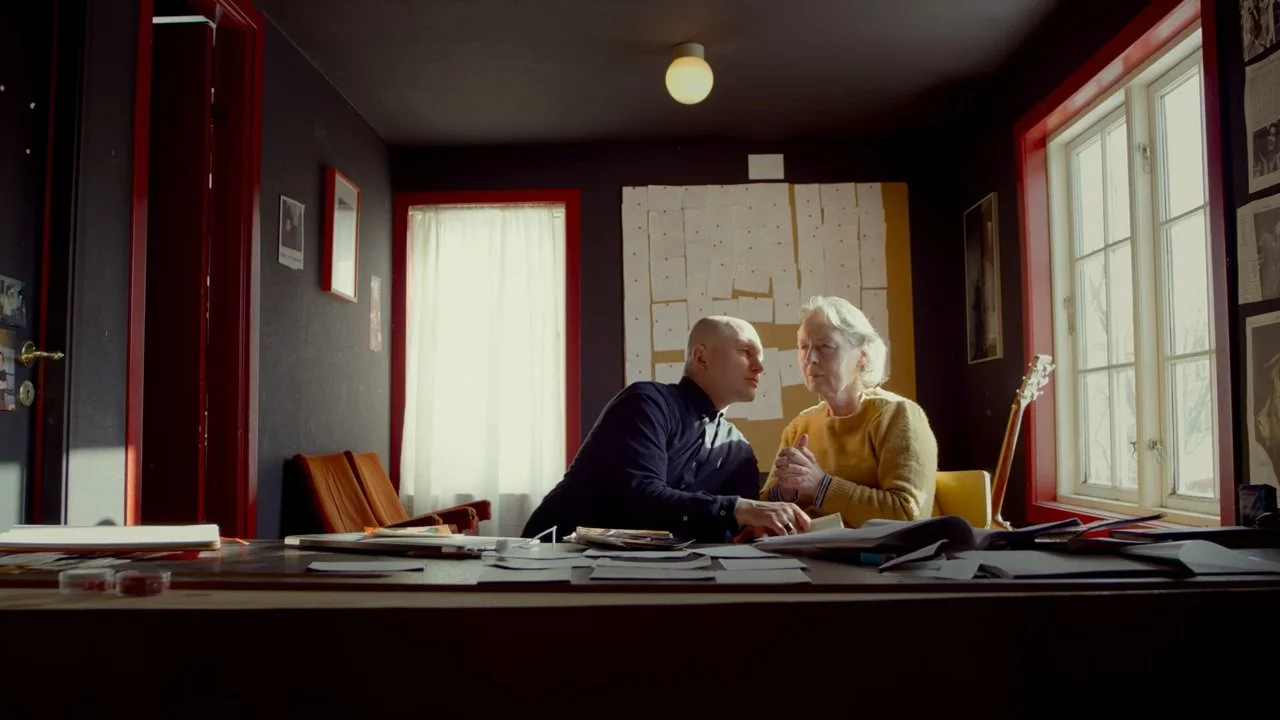
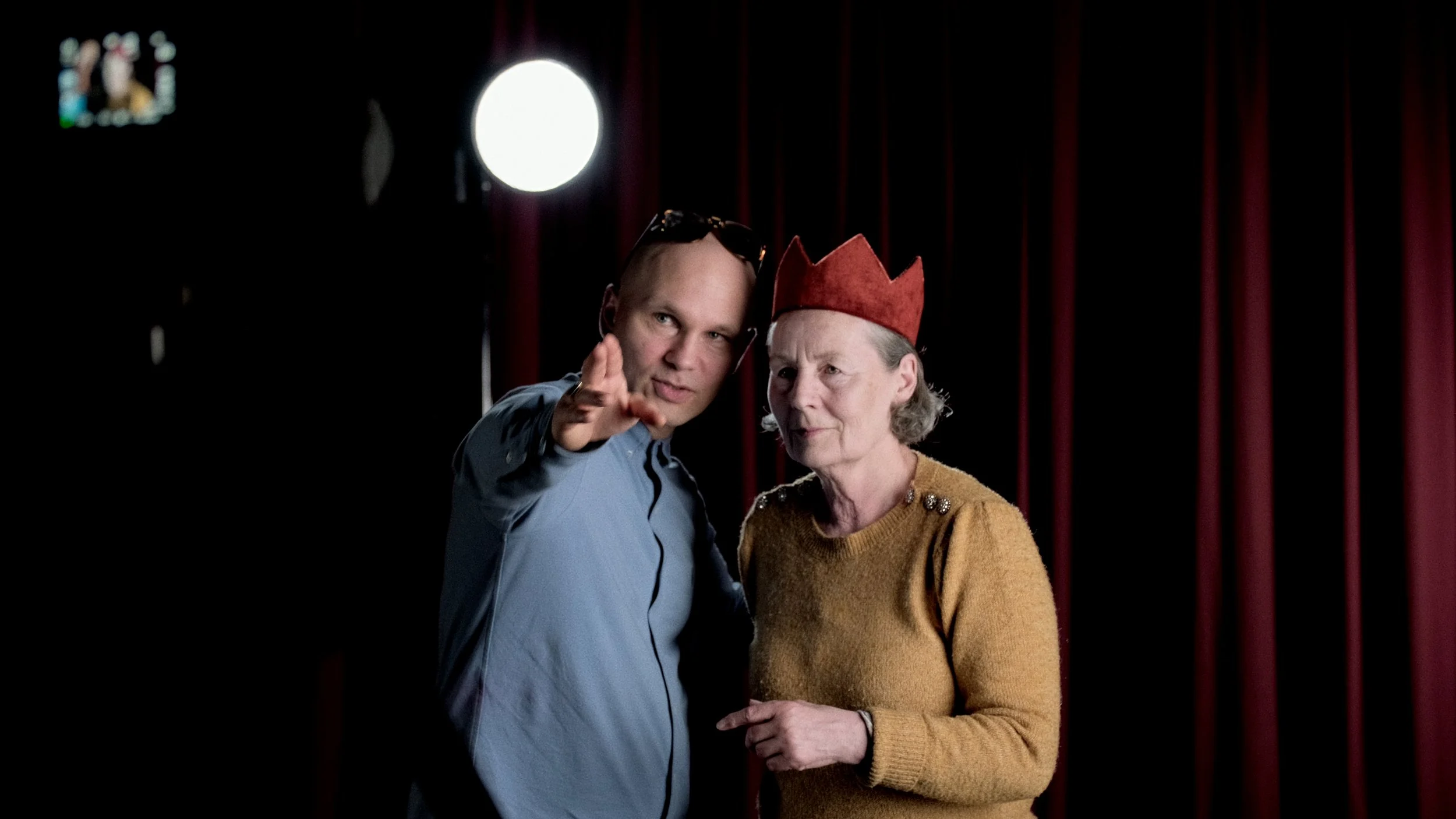
Filmurin Birita, ið fær føroysku premieru í Løkshøll 11.apríl og verður sýndur í Havn 15.apríl, snýr seg um fyrireikingar og framleiðslu av leikinum Lear Kongi eftir William Shakespeare, sum Búi Dam leikstjórnaði í Sjónleikarhúsinum í 2023 við mammu síni í høvuðsleiklutinum. Frá byrjan eru vit stødd í ljósfylta, gula og reyða salinum í Sjónleikarhúsinum í Havn og uppliva síðan ein vakran prolog á skrivstovuni við leikstjóranum Búa Dam og mammu hansara, sjónleikaranum Biritu Mohr, sum ikki hevur staðið á palli síðan hon fekk staðfest Alzheimer í 2011. Á skrivstovuni hongur ein mynd av Biritu í klovnabúna; ein leiklutur, sum var byrjanin til hennara leiklistakarrieru. Hann spyr: - Ert tú klár? – Ja! svarar mamman - hon er altíð klár og sonurin endurgevur staðfesting Hamlets um at readiness is all. Í veruleikanum er mamman ikki á nakran hátt klár og hevur heldur ikki kognitivan førleika til at meta um hvat tað inniber at vera við í einum leiki og einum filmi. Hetta ber við sær etisk dilemma, sum tíbetur ikki verða skúgvað burtur, men tikin upp og umrødd av feðgunum báðum, Búa og Ega Dam og síðani eisini meira formelt, tá annar framleiðarin av leikinum, Urd Johannesen staðfestir síni eyðsæddu etisku fyrilit. Og vit skilja hana væl, tí - er tað í lagi at seta Biritu Mohr á pall, tá hon fyri tólv árum síðani tók seg burtur úr leiklistini? Tað er tann brennandi spurningurin. Búi Dam vendir spurninginum við og spyr hvørt tað er rímiligt ikki at lata Biritu trína á tann pall, sum var hennara elskaða heim í so mong ár áðrenn hon bleiv sjúk. Spurningurin bara vaksur meðan vit hyggja at filminum og breiðir seg um okkara viðferð av sjúkum og gomlum medborgarum. Alsamt fleiri okkara fara at enda okkara dagar við minnissvinn. Skulu hesi mongu ár spenderast í statiskum konteynarum, ið eru fráskildir restini av samfelagnum eins og sótu vit í bíðirúmi hjá deyðanum? Hvat slag av lívi er lívið við minnissvinn um ikki vit eru saman og minna hvønn annan á tað, sum plagdi at vera okkara tilvera?
Í filminum verða fleiri træðrir, ið allir snúgva seg um at vera menniskja, vovnir saman. Ein tráður er tann, ið vaksur inni í konu Búa, Tjóðhild, sum er við barn. Vit síggja familjuna til skanning, tá nýggja, lítla lívið opinberast á telduskíggjanum; ein sonur aftrat, hvørs føðing vit eisini vitna. Filmurin er sum skilst ógvuliga nærgangandi, men ger tað bara har, tað er listaliga neyðugt. Henda parallelsøgan um tað nýggja barnið og hátíðarliga handfaringin av placenta, føðsluríka blóðhylkinum, sum kvinnukroppurin skapar til fostrið og sum á føroyskum heldur óhátíðarliga kallast eftirburður - undirstrikar ítøkiliga sambandið millum mammu og barn.
Filmurin er fullur av tílíkum vøkrum og meiningsfullum hendingum. Ein tann mest hjartanemandi løtan uppstendur, tá Birita er í ferð at verða sminkað til leiklutin sum Lear Kongur. Onkrastaðni í makeup rutinuni meðan kustar spartla og slætta, kyknar okkurt innan í sjónleikarinnuna, sum fær hana at bresta útúr at gráta. Tað er heilt týðiligt, at hon kennir teatursminkuna og eitt stutt andarhald hóma vit allar kenslur, allar royndir, alt tað nógva, sum myndaði hetta menniskjað, sum sjúkan tók burtur, men kanska ikki heilt. Tí tað tykist sum Biritu dámar leiklistaumhvørvið og at upptraðka, at hon er varug við mynda- og upptøkutól og sum heild kennir seg væl á palli saman við leikarum og gomlum vinum, sum kærleiksfult taka sær av henni. Ikki minst er tað maður hennara, Egi Dam, sum eigur ábyrgdina og pleyguna av konuni og eisini avgerðina hvørt konan skal flyta inn á eitt heim fyri minnisveik. Hendan tunga skuldarkenslumerkta og skelvandi tráðin í frásøgnini eru tað mong avvarðandi hjá minnisveikum, ið kenna aftur og senan, tá hann biðjur kettuna siga Biritu farvæl, tá hon skal flyta á eitt heim, var so fitt og syrgilig, at tárini tá díktu á sum í áarlopi.
Sjálvt um Birita er ein heimildarfilmur, eru søgugongd, tónleikur, myndir og bygnaður knýtt saman og lagt til rættis sum í einum samanhangandi filmslistaverki, sum tekur sær tíð at leggja seg fram fyri áskoðaranum. Tá luttakaranir í leikinum um Lear Kong í byrjanini trína inn í salin og verða presenteraðir fyri okkum við prentaðum nøvnum, fáa vit varhugan av, at hetta er byrjanin uppá eitt veldugt drama, sum er enn størri og meira sárt enn King Lear og sum kanska bara leikstjórin skilir til fulnar. Hann hevur alt at missa og hevur sett sjálvan høvuðsstólin í veð. Listaligu dygdirnar í filminum gera, at vit fata bæði dirvið og tað skroypiliga í verkætlanini, tí tað siga tær intimu nærmyndirnar og dynamisku skiftini millum klárar og óklárar myndir og ljós í myrki okkum eins og framúrskarandi tónleikurin hjá Bill Frisell alla tíðina stuðlar huglagnum, antin tað er eymt og nakið ella tað er ógvusligt og dramatiskt. Inn í millum flyta vit okkum út úr teimum smáu hølunum og síggja út yvir Havnina og út yvir føroysk fjøll í stillmyndum, ið verða brúktar sum okkurt slag av visuellum pausum millum aktirnar í filminum. Hesar myndir, men eisini mátin filmurin verður presenteraður ber brá av, at avsendarin ætlar at miðla filmin uttanlanda. Hetta fer væntandi at ganga væl, tí Birita hevur altjóða flog!
Kinna Poulsen
Birita
Longd: 89 minuttir
Leikstjóri: Búi Dam
Høvuðsleikari: Birita Mohr
Framleiðarar: Jón Hammer, Mark Steele og Durita Sumberg
Klipparar: Richardo Acosta, David Alcocer, Raúl Silva Gómez
Filmsfotografur: Franklin Symphor Henriksen
Tónaskald: Bill Frisell
Ljóssniðgevi: Tom Ryan
Framleiðslusniðgevi: Sámal Blak